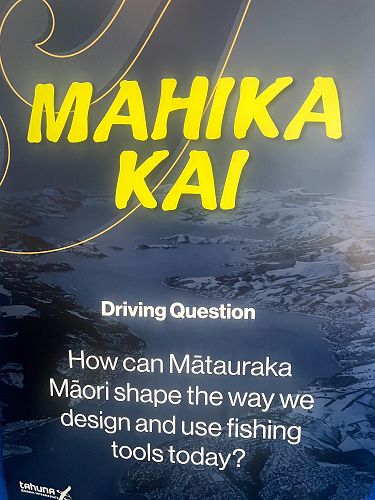
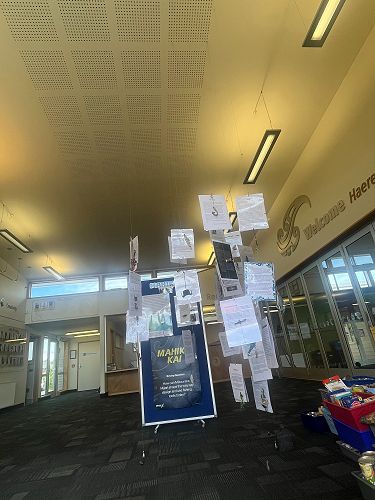
Mahika Kai
Term 3 Learning In Action
Last term, our students were immersed in learning that connected local Kāi Tahu history with future-focused design.
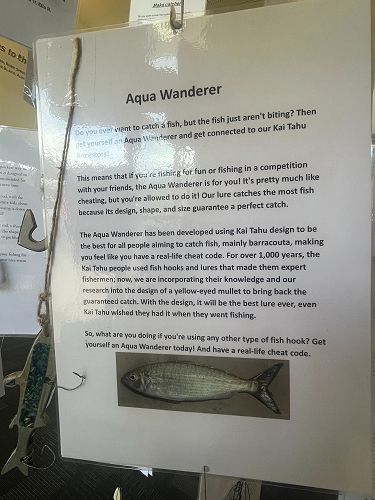
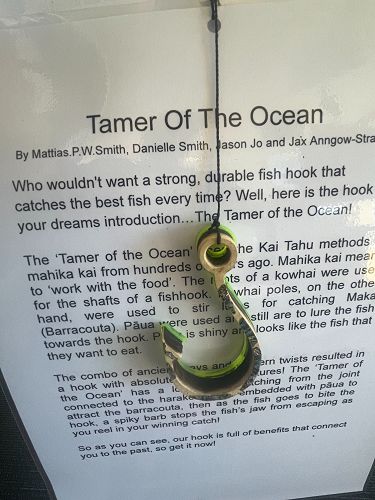
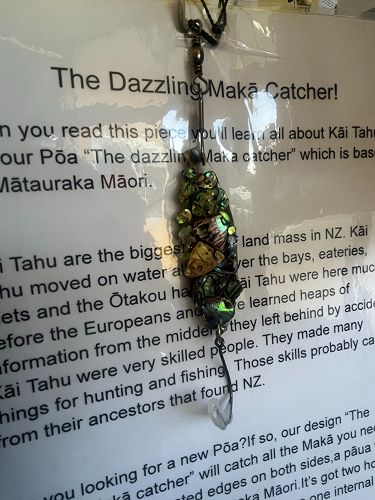
Through Project-Based Learning (PBL) our curriculum delivery model, students used their learning in a meaningful, applied context specifically challenging them to create an innovative, purposeful piece of fishing technology for an art installation.
"How can Mātauraka Māori shape the way we design and use fishing tools today?"
This single question provided the framework for students to engage with multiple curriculum areas.
Students researched the historical Kāi Tahu Ōtākou pre-European fishing technology, studying traditional hooks, lures, and fishing practices specific to our region. They studied the materials, form, and function of these historic tools, developing an understanding of how they were engineered to meet specific environmental needs in our local area.
At the same time they developed their skills in research, collaboration and writing effective informational texts.
Students applied this knowledge to innovate a purpose-fit fishing hook or lure for modern use, considering sustainability, materials science, and effectiveness. Courtney Lousley, our eTechnology teacher, facilitated the final part of the process, analysing prototypes and creating their final design.
Students moved through the full design cycle: from initial research and sketching to prototyping and material selection. This process requires not only technical knowledge but also crucial key competencies.
The final products are now proudly part of our Mahika Kai Art Installation in our school foyer. We invite all whānau and community members to view the students' stunning work the next time you visit the school!
We extend a huge thank you to Amie Curtis, Connor Muir-Ropata and Logann Russell, who supported us with our planning and ensured the project was underpinned by authentic local Mātauraka.
Gallery